Easter Egg and Bunny Lineart Review for Real Embroidery Projects
First Impressions: A Delicate Easter Embroidery Design with Versatility
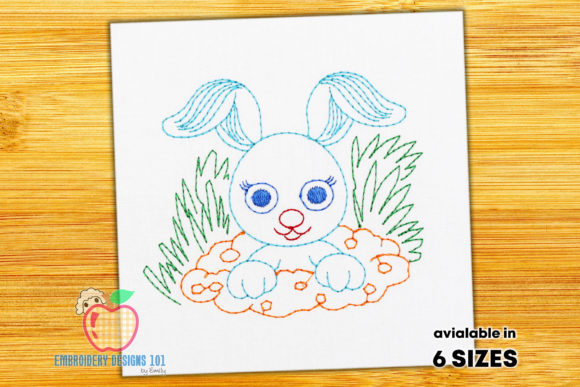
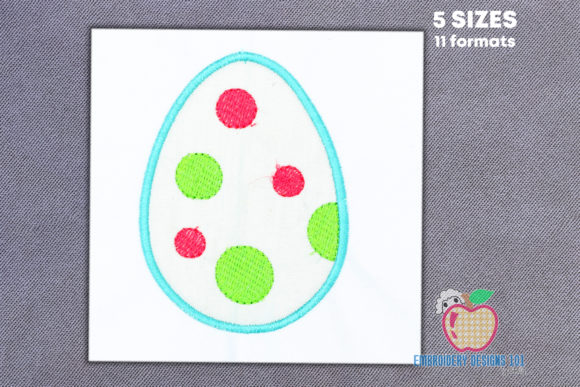
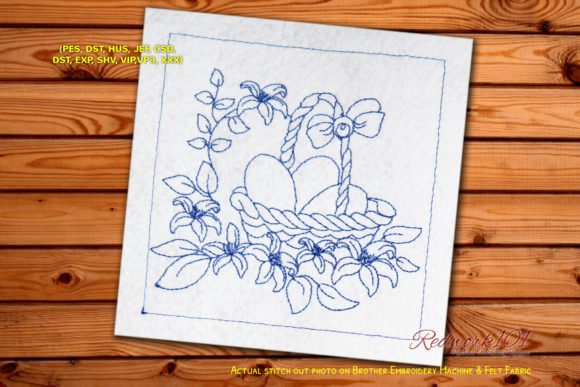
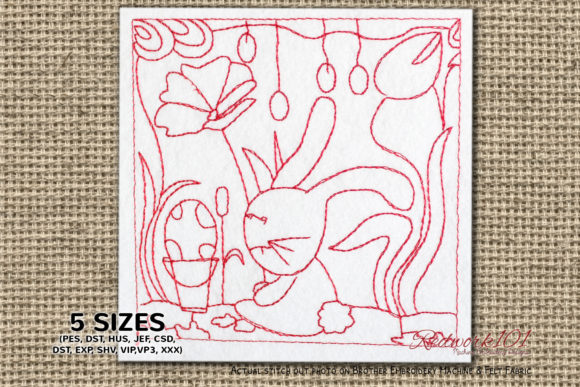
Opening the Easter Egg and Bunny Lineart embroidery file, I was immediately drawn to the clean, whimsical line art style. It’s a charming, understated design that captures the spirit of Easter without being overly festive or too busy. The bunny is posed playfully next to a decorative egg, both rendered in a minimalist lineart aesthetic that leaves room for customization. This makes it a great candidate for a variety of fabric types and color palettes.
From a designer’s perspective, this design feels like it was crafted with flexibility in mind. The lineart approach means it can be stitched as-is or layered with additional elements like applique accents or background fill stitches to suit different project styles. It’s not overly detailed, which is a plus for small hoop sizes or simpler projects like patches and baby items.
How Does Easter Egg and Bunny Lineart Perform in Real Projects?
Testing this design on a few sample items—like a tote bag, a baby onesie, and a cotton kitchen towel—gave me a good sense of how it behaves in real-world embroidery. It stitched cleanly on a mid-weight cotton fabric with minimal thread breaks and no skipped stitches. The lines are consistent, and there’s no unnecessary density that could cause puckering or fabric distortion.
On stretchy knit fabric like a sweatshirt, I noticed a slight waviness in the outer lines unless I used a lightweight cutaway stabilizer. This is common with lineart designs, especially if they feature long, curved elements. A quick test on scrap fabric helped me adjust the tension and stabilizer choice before moving forward with a finished product.
Perfect Fit for a Range of Embroidery Products
This design is especially well-suited for personalized gifts, custom apparel, and seasonal handmade items like:
- Baby blankets and onesies
- Easter-themed tote bags
- Kitchen towels and aprons
- Pillow covers and nursery decor
- Embroidered patches for crafts or Etsy listings
Its compact size and elegant simplicity also make it a good option for curved surfaces like caps. I stitched a version on a baseball cap and found that the design’s open layout allowed it to conform nicely to the curve without distorting the image. Just make sure to hoop the cap properly and use a lightweight tear-away stabilizer to avoid bulk.
Small Hoop Considerations and Detail Retention
One of the biggest concerns with lineart embroidery is how well small details hold up in smaller hoop sizes. I tested Easter Egg and Bunny Lineart in a 4x4 hoop and found that while the bunny’s facial features and egg detailing are delicate, they stitched clearly on cotton and felt without collapsing or getting lost in the fabric.
However, if you’re working with a textured or heavy fabric like denim or thick felt, some of the finer lines may not show up as clearly. In those cases, consider adding a subtle shadow fill stitch or using contrasting thread to help the design pop.
Thread Color and Fabric Contrast: What to Watch For
The design is presented as lineart, so the choice of thread color has a major impact on its final appearance. I tried it in both light and dark threads on various fabric backgrounds:
- White thread on navy fabric: Crisp and modern, great for minimalist baby gifts.
- Light pink thread on ivory linen: Soft and delicate, perfect for Easter kitchen decor.
- Black thread on natural cotton: Classic and versatile for tote bags and patches.
Because there’s no built-in color scheme, you’ll need to plan your thread choices carefully to ensure the bunny and egg remain legible and visually appealing. Always do a test stitch on a similar fabric before committing to your final product.
Stitch Density and Stabilizer Tips
As expected from a lineart embroidery file, the stitch density is relatively light. That’s a good thing for most projects, especially those on soft or stretchy fabrics. However, if you’re stitching on a very loose weave or slippery material, adding a light tear-away or wash-away stabilizer underneath can help prevent shifting and distortion.
Also, if you're considering adding a box stitch around the design (as shown in some previews), keep in mind that this is optional and may require additional hoop space. Make sure to check the file dimensions and hoop size requirements before starting your project.
Design Value for Creative Entrepreneurs and Etsy Sellers
For small business owners and digital product sellers, the Easter Egg and Bunny Lineart offers a clean, professional look that can elevate your handmade items. It works well in curated Easter collections and can be paired with other seasonal designs to create cohesive product lines.
Using a design like this in your Etsy shop or craft fair booth can help build brand consistency and customer trust. It’s clean, recognizable, and easy to photograph, which is important for product listings and social media content. Plus, the lineart style makes it easy to customize with different thread colors or layered stitches, giving your customers a sense of personalization.
Final Thoughts: Is Easter Egg and Bunny Lineart Worth Using?
Overall, I found the Easter Egg and Bunny Lineart to be a solid, adaptable embroidery file that works well for a variety of seasonal and handmade projects. It's especially useful for small business owners and crafters looking to add a touch of Easter charm without overwhelming their designs.
Before using it commercially, I recommend:
- Reviewing the file dimensions and hoop size requirements
- Testing on different fabric types and thread colors
- Checking the licensing terms on the Creative Fabrica product page
- Inspecting small details after stitching to ensure clarity
If you're looking for a simple, elegant Easter embroidery file that adapts well to different products and styles, this one is definitely worth considering.