Flying Bird Redwork Design: A Designer’s Review for Business Branding
First Impressions: A Versatile Design with Rustic Charm
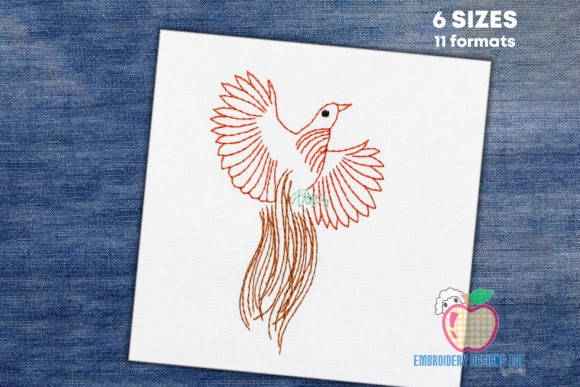
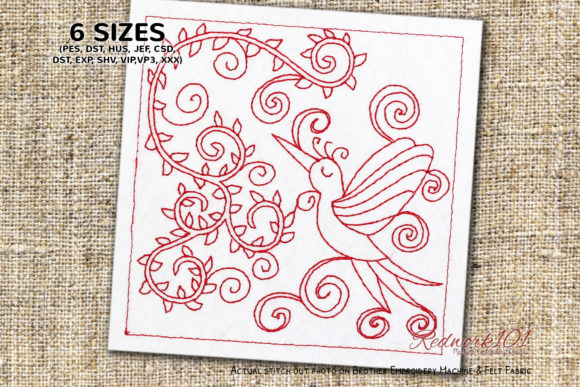
The Flying Bird Redwork Design immediately stands out as a charming, handcrafted-style embroidery that leans into rustic and classic aesthetics. The name itself evokes movement and simplicity, which is reinforced by the redwork style—a technique known for its clean lines and minimal color use. From the product description, it’s clear this design is intended for decorative items like bed linens and pillows, but its clean outlines and optional box stitch suggest broader potential for small business branding and merch.
As an embroidery designer, I see this design fitting well with small brands that want to convey a sense of tradition, nature, or artisanal craftsmanship. It’s not overly bold or modern, but rather feels approachable and warm—ideal for boutiques, bakeries, florists, or handmade shops looking to add a touch of personality to their merchandise.
Real-World Use: From Embroidered Patches to Branded Tote Bags
Let’s explore how the Flying Bird Redwork Design holds up in actual business applications. This is where the rubber meets the road for embroidery designers and small business owners alike.
- Embroidered Patches: Due to its defined silhouette and lack of complex inner details, this design is a strong candidate for patches. It should scale well and maintain clarity even at moderate sizes.
- Staff Uniforms: When stitched onto shirts or aprons, the flying bird can serve as a subtle chest logo. It reads as professional without being overpowering—perfect for cafes, studios, or retail shops that want to maintain a soft brand presence.
- Cap Embroidery: The design’s horizontal orientation makes it a good fit for cap fronts, especially if the box stitch is omitted. Just be mindful of curved surfaces and fabric texture affecting stitch clarity.
- Tote Bag Design: As a central motif on a tote bag, the flying bird can become a memorable part of your product packaging or customer gift strategy. It pairs well with minimalist branding or handwritten tags.
- Apron Embroidery: Whether for staff or retail sale, this design adds a gentle, welcoming touch—especially when used on linen or cotton aprons.
In short, the Flying Bird Redwork Design is adaptable for a variety of commercial embroidery applications, especially when a soft, approachable brand identity is the goal.
Where to Use It Carefully: Size, Fabric, and Detail Limitations
While this design has many strengths, there are a few key areas where caution is advised:
- Small Patch Sizes: At very small dimensions, the fine lines and feather details may blur or close up, especially if stitched in red thread on light fabric. Always test at intended size.
- Cap Fronts: Curved surfaces can distort stitching, so it’s important to use proper stabilizer and hoop placement.
- Textured Fabric: Fabrics like towels or thick denim may interfere with the crispness of the redwork outlines.
- Dark Uniforms: Red thread may not stand out as well on dark backgrounds unless contrast is carefully tested.
- Frequent Washing: High stitch density or tight outlines can lead to fraying or thread breakage over time if the design isn’t optimized for durability.
As with any machine embroidery design, it’s crucial to evaluate fabric type, thread color, and final use before full-scale production.
Brand Identity and Customer Perception
Using the Flying Bird Redwork Design as part of your visual branding can have a meaningful impact on how your business is perceived. Its hand-drawn aesthetic gives off a “made with care” vibe, which resonates with customers seeking authenticity and craftsmanship.
For Etsy sellers, handmade brands, or local shops, this kind of design can elevate product value and reinforce a consistent, recognizable visual language. When used across multiple touchpoints—like tote bags, aprons, and product packaging—it builds familiarity and trust with your audience.
It’s also worth noting that the optional box stitch adds flexibility. You can choose to include it for a more finished, traditional look or remove it for a more modern, minimalist feel. This adaptability makes the design a smart choice for businesses aiming to maintain visual consistency across different merchandise types.
Designer Notes: Practical Steps Before Production
Before sending this design into production for small business merch or client work, here are some essential steps to follow:
- Test in black and white first: This helps evaluate contrast and clarity before committing to thread colors.
- Check small patch size performance: Zoom in on the digital embroidery file to ensure lines remain distinct and readable.
- Review thread color contrast: Especially important if using on dark or textured fabric.
- Inspect spacing and density: Ensure the stitch pattern doesn’t create gaps or overly tight areas.
- Confirm hoop size: Make sure the design fits within your machine’s capabilities.
- Test on real fabric: Always run a sample on the intended material to check stitch-out quality.
- Use proper stabilizer: Especially critical for stretchy or textured fabrics.
- Create a printable mockup: Present a visual to clients or internal teams before stitching begins.
- Compare with other design assets: Ensure it aligns with your current branding elements like fonts and logos.
- Confirm commercial licensing: Be sure the design is cleared for use in your intended business applications.
These steps will help ensure that the Flying Bird Redwork Design integrates smoothly into your product lineup and meets both aesthetic and functional expectations.