Gnome Embroidery Design Review for Craft Fair Sellers
First Impressions: Cute, Colorful, and Character-Driven
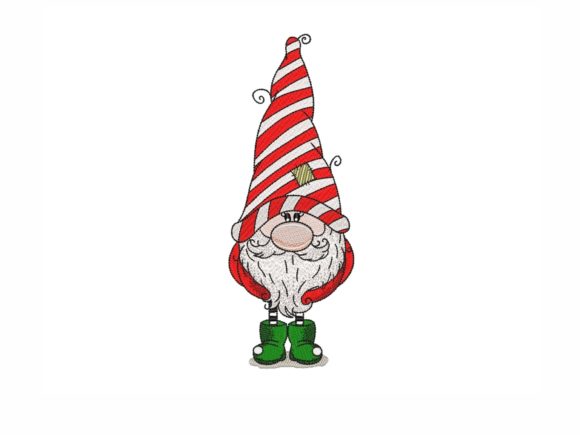
When I first saw the Gnome embroidery design, I immediately thought, “This is a crowd-pleaser.” It’s cute, colorful, and small—perfect for craft fair shoppers who love whimsical, handmade charm. The fairy tale vibe is strong, and it leans into a soft, decorative aesthetic that feels both nostalgic and fresh. Whether you're selling at a local market or listing on Etsy, Gnome is the kind of design that sparks a smile and invites a closer look.
Where Gnome Stands Out: Best Products for This Design
Because Gnome is compact and expressive, it works best as a statement accent rather than a full-panel feature. Here’s where it shines:
- Tote bags: A centered gnome on a natural canvas tote adds instant personality without overwhelming the fabric.
- Aprons: Place it just above the hem for a sweet, homey touch that appeals to kitchen crafters and bakers.
- Tea towels: Embroidery on linen or flour sack towels looks handmade and giftable—especially when paired with coordinating thread colors.
- Patches: Gnome makes a perfect iron-on or sew-on patch for denim jackets, backpacks, or market bags.
- Pillow covers: Use it as a central motif on small lumbar pillows or as a corner accent on larger ones.
Visual Appeal: How Gnome Captures Attention
Gnome is bold in personality, not in size. Its charm lies in its simplicity and clarity, which makes it easy to spot from a few feet away—crucial for a busy craft fair booth. The color palette appears vibrant and playful, which helps it pop against neutral or pastel backgrounds. As a professional embroidery designer, I know that clarity at a glance is key for handmade product sales, and Gnome delivers.
It’s also versatile enough to fit into multiple themes: rustic farmhouse, modern cottagecore, or even holiday-ready with seasonal color swaps. This kind of adaptability makes it a smart choice for small shop owners who want to maximize one design across several product lines.
Production Practicality: Is Gnome Easy to Make at Scale?
For batch production, Gnome’s size and stitch count (assuming it's moderate) should make it a quick sew-out. That’s a win for craft fair sellers who need to turn out dozens of items in a short time. If the design is well-digitized, it should hoop easily and stitch consistently across different fabric types.
However, as with any machine embroidery design, there are a few things to watch for:
- Dense stitch areas: Check if the beard or hat has tight fills that might pucker thin fabric.
- Small details: Tiny facial features or fine outlines may blur on textured towels or thick denim.
- Thread contrast: Make sure the colors stand out clearly on your chosen fabric—especially on dark or patterned materials.
Cautions for Specific Products
While Gnome is adaptable, not all products are equal when it comes to embroidery. Here’s what to be mindful of:
- Curved surfaces (caps): Test the design on a cap hoop to ensure facial features don’t distort.
- Textured towels: Dense areas may sink into the fabric and lose definition—consider a lightweight towel or a top-stitched border.
- Dark fabric: Light thread colors (like the gnome’s face) may need underlay or backing to stay crisp.
- Miniaturized versions: Shrinking Gnome too much can cause detail loss—stick to the recommended minimum size.
Photography & Online Listings: Does Gnome Translate Well Digitally?
Yes—especially if you style it right. Gnome’s bold outlines and expressive face make it ideal for Etsy listings and social media posts. A well-lit photo of a gnome-embroidered tea towel or tote bag can stop a browser mid-scroll.
To maximize visual appeal online:
- Use clean, bright backgrounds to let the colors pop.
- Show the design in use—like a pillow on a couch or a bag at a farmer’s market.
- Create printable mockups to preview how Gnome looks across multiple products.
Design Testing & Preparation: What Every Embroidery Business Owner Should Do
Before stitching out a full batch, test the Gnome embroidery file on scrap fabric. Here’s a checklist of must-dos:
- Test on multiple fabric types: Cotton, linen, denim, and twill can all react differently.
- Check thread contrast: Does the face stay clear on dark or busy backgrounds?
- Confirm hoop size: Ensure the design fits your most-used hoops to avoid resizing issues.
- Inspect stitch density: Look for areas that might pucker or pull.
- Use the right stabilizer: Lightweight tear-away for cotton, cut-away for stretchy or thick fabrics.
- Create a real mockup: A digital preview isn’t enough—see how it looks stitched out.
- Compare fabric colors: Gnome may look better on natural or pastel tones than on bold prints.
- Review licensing: Confirm the design is licensed for commercial embroidery before selling finished products.
Final Thoughts: Is Gnome Worth Adding to Your Craft Fair Lineup?
Absolutely. Gnome is a versatile, charming embroidery design that fits right into the handmade market’s love for whimsy and character. It’s small enough to be practical, expressive enough to draw attention, and repeatable enough to become part of your brand’s visual language.
For Etsy sellers, boutique makers, and weekend craft fair vendors, Gnome offers a chance to create cute, giftable products that stand out without breaking the bank on production time or materials. Just be sure to test it thoroughly, choose your products wisely, and style it for maximum visual impact—both in person and online.