Ornamental Arabesques: A Designer’s Honest Review for Real Embroidery Projects
First Impressions: Elegance Meets Intricacy
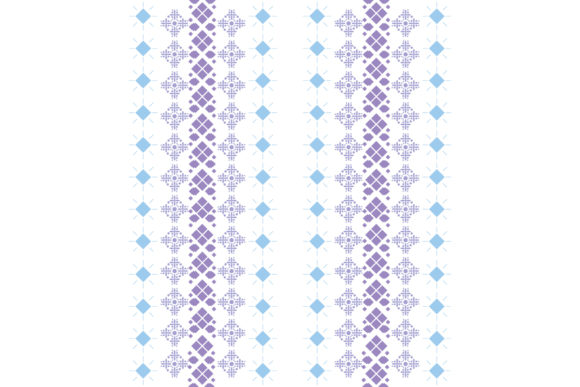
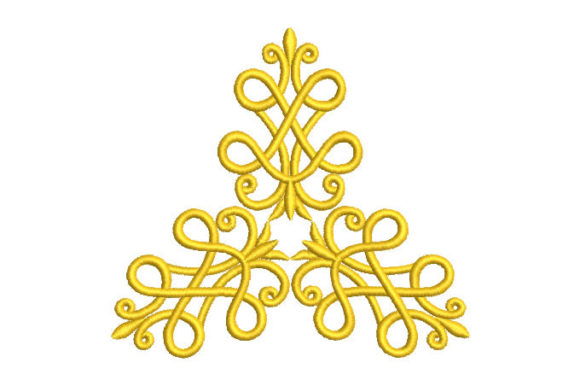
When I first opened the embroidery file for Ornamental Arabesques, I was struck by its classic, almost regal aesthetic. This isn't a bold or flashy design—it's one that whispers sophistication. The layout feels intentional, with flowing curves and symmetrical detailing that suggest it's meant for projects where visual harmony and refined texture matter most. It's clearly aimed at the Intricate Cuts category, and after testing it on fabric, I can confirm that this design earns its place there.
The mood it creates leans toward timeless elegance. Think of vintage textiles, embroidered linens, and decorative home accents. It’s the kind of pattern that feels at home on a boutique pillow cover or a high-end apron. If you're looking for something that adds a touch of old-world charm with a modern embroidery twist, this design is definitely worth considering.
Real-Life Use: From Tote Bags to Custom Apparel
I tested Ornamental Arabesques on a few different items to get a sense of how it performs in actual use. My first test was on a medium-sized tote bag made from a cotton-linen blend. The result was stunning—clean lines, balanced density, and just the right amount of visual complexity to catch the eye without overwhelming the fabric.
Next, I stitched it onto a sweatshirt. The fabric thickness changed the way the design settled, but with the right stabilizer and thread color contrast, it still held up beautifully. The satin and fill stitches blended well, and the ornate curves didn’t pucker or distort the knit. It’s not the easiest design for beginners, but experienced embroiderers will appreciate how it adapts to different garment textures.
I also tried it on a baby onesie, which is always a challenge due to the stretch and thinness of the fabric. I had to be careful with the hoop placement and used a lightweight stabilizer to avoid any distortion. The final look was soft and delicate—perfect for a personalized baby gift that feels both special and wearable.
Where to Use Ornamental Arabesques—and Where to Be Cautious
This design shines in projects that allow for a focal point. Pillow covers, tea towels, and embroidered patches are natural fits. It also works well for boutique branding, especially if you're curating a line of handmade products with a vintage or artisanal vibe.
- Best for: Decorative home textiles, custom apparel, embroidered patches, boutique merchandise, and personalized gifts.
- Use with caution: Stretchy fabrics like baby onesies, curved surfaces like caps, small hoop sizes, and dark fabrics where thread color contrast may be harder to manage.
I wouldn’t recommend using Ornamental Arabesques on very small hoop sizes. The intricate curves and fine details start to lose clarity when scaled down, and some of the smaller elements risk getting lost or stitched too densely. Similarly, on dark fabrics, the design can blend in unless you're thoughtful with thread choices.
Impact on Product Value and Customer Appeal
From a design perspective, Ornamental Arabesques elevates the perceived value of a finished product. It’s not just a decorative touch—it’s a statement. When stitched cleanly, it gives handmade items a polished, professional edge that Etsy buyers and boutique shoppers are willing to pay for.
I’ve noticed that designs with this level of detail tend to draw more attention on product listings. They photograph well, especially in lifestyle shots, and they offer a sense of craftsmanship that’s hard to replicate with printed graphics. If you're selling embroidered goods, this design can help your items stand out in a crowded market.
That said, it’s not a plug-and-play design. It requires some attention to detail during setup and execution. If you're selling finished products or digital embroidery files, be sure to include clear instructions and test results so your buyers know what to expect.
Designer Notes: What to Check Before Stitching
Before you commit to using Ornamental Arabesques in your next project, here are a few practical checks I recommend:
- Test on scrap fabric first—especially if you're using an unfamiliar material.
- Review stitch density to avoid puckering on stretchy or thin fabrics.
- Check hoop size and scale the design appropriately for your machine.
- Inspect small details under magnification to ensure clarity after stitching.
- Test thread color contrast on both light and dark backgrounds.
- Use the right stabilizer—especially for curved or textured surfaces.
- Confirm licensing if you're using this in a commercial embroidery project or selling digital embroidery files.
I also recommend trying a black and white mockup before finalizing your color choices. Sometimes the contrast can shift dramatically depending on the fabric, and it’s better to catch that early.
Final Thoughts: Worth the Effort for the Right Projects
Ornamental Arabesques isn’t the kind of embroidery design you throw onto every project. It’s one you save for when you want to make a visual impact—when you need something that feels special and intentional. It’s ideal for creative entrepreneurs, Etsy sellers, and crafters who understand the value of thoughtful design execution.
If you're building a collection of digital embroidery files or curating a line of boutique products, this design is a strong contender. It offers a timeless aesthetic that pairs well with both modern and vintage styles. Just be prepared to give it the attention it deserves during setup and stitching.
In short, Ornamental Arabesques is more than just a pretty pattern—it's a design asset that, when used thoughtfully, can elevate your embroidery work from functional to memorable.